Archives 2026

Eco-Friendly Cleaning Tips

In today’s world, where sustainability is becoming increasingly important, making eco-friendly choices in our daily lives is essential. One area where we can significantly reduce our environmental impact is in our cleaning routines. By opting for natural ingredients and avoiding harsh chemicals, we can create a healthier home environment while also protecting our planet. Here are some practical tips to help you maintain an eco-friendly cleaning routine.

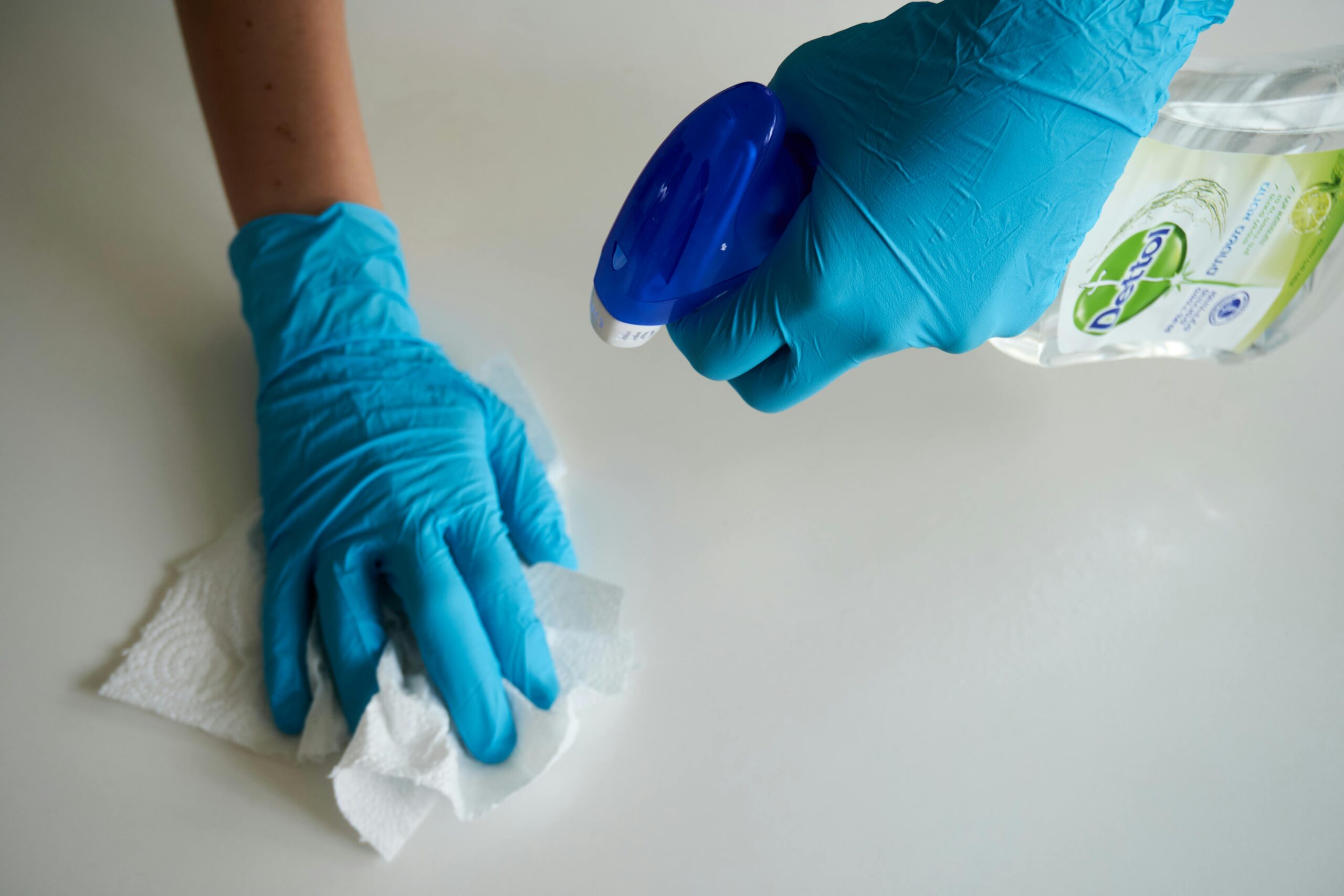
cleaning supplies

1. Use Vinegar and Baking Soda: These two ingredients are powerhouses when it comes to cleaning. Vinegar can be used to cut through grease, remove odors, and even clean windows. Baking soda acts as a gentle abrasive that can tackle tough stains and freshen carpets. Mix them together for a foaming cleaner that can be used on various surfaces.

2. Essential Oils for Fragrance: Instead of using synthetic fragrances that can irritate the lungs and skin, consider using essential oils. Oils like lemon, lavender, and tea tree have natural antibacterial properties and can leave your home smelling fresh. Just a few drops in your homemade cleaners can elevate their effectiveness and scent.

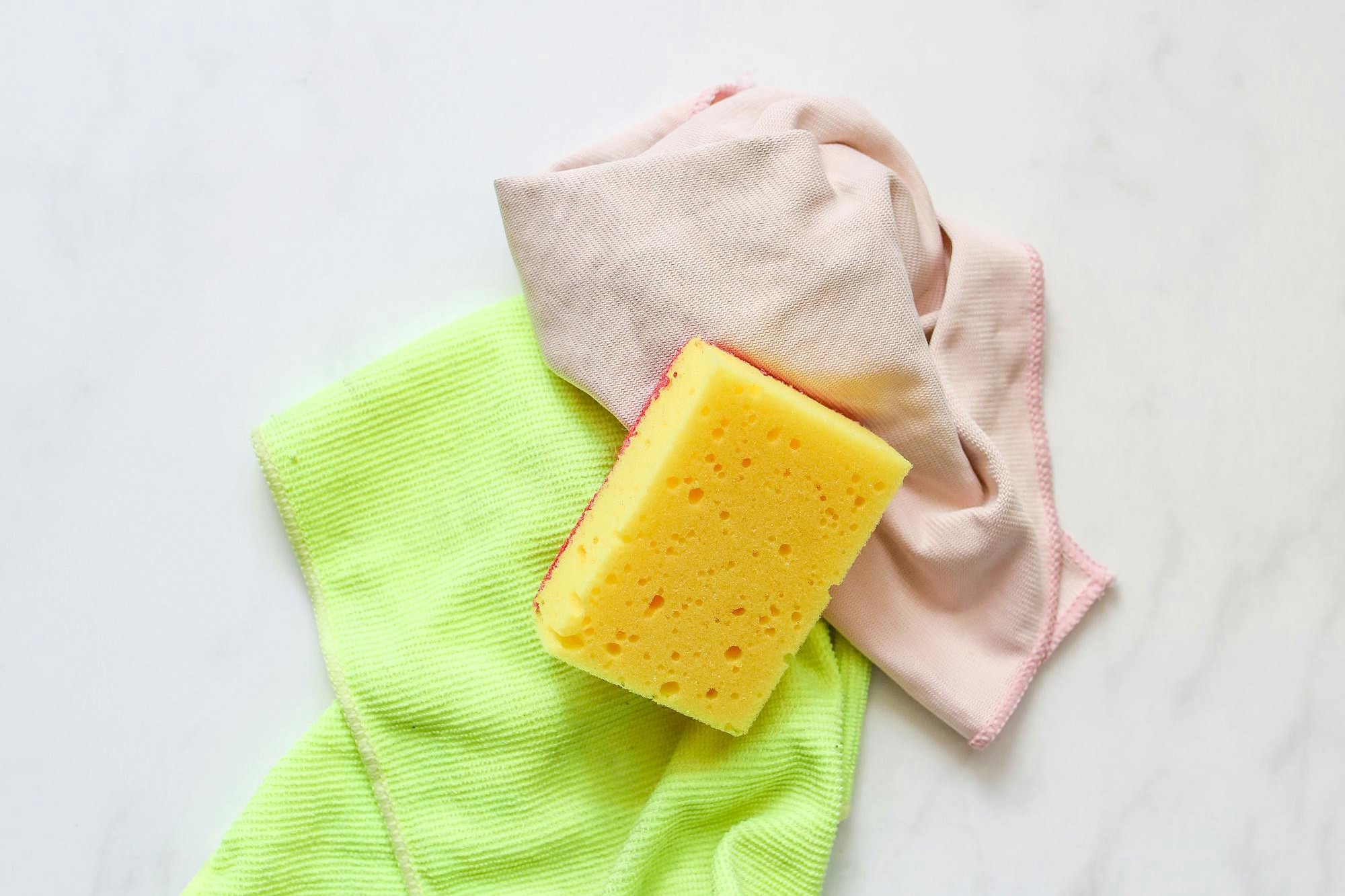
3. Use Reusable Cleaning Rags: Instead of disposables, opt for reusable cleaning rags or old t-shirts. This not only reduces waste but also saves you money in the long run. You can easily wash them and use them repeatedly, making them a more sustainable choice.

4. Choose Eco-Friendly Products: If you prefer to purchase cleaning products, look for brands that are certified eco-friendly. These products are often made with safer ingredients that won’t harm the environment. Always check the labels for certifications and ingredients to ensure that you make a responsible choice.

5. Reduce Water Usage: When cleaning, try to use less water where possible. Instead of running a sink full of water, use a spray bottle for cleaning surfaces. This not only saves water but also allows for more targeted cleaning.

6. Keep Your Home Well-Ventilated: Maintaining good air quality in your home is essential. Open windows while you clean to let fresh air circulate, which can help reduce the concentration of any cleaning products you use, even natural ones.

By incorporating these eco-friendly cleaning tips into your routine, you can contribute to a healthier planet while keeping your home clean and inviting. Remember, every small change can make a significant impact!
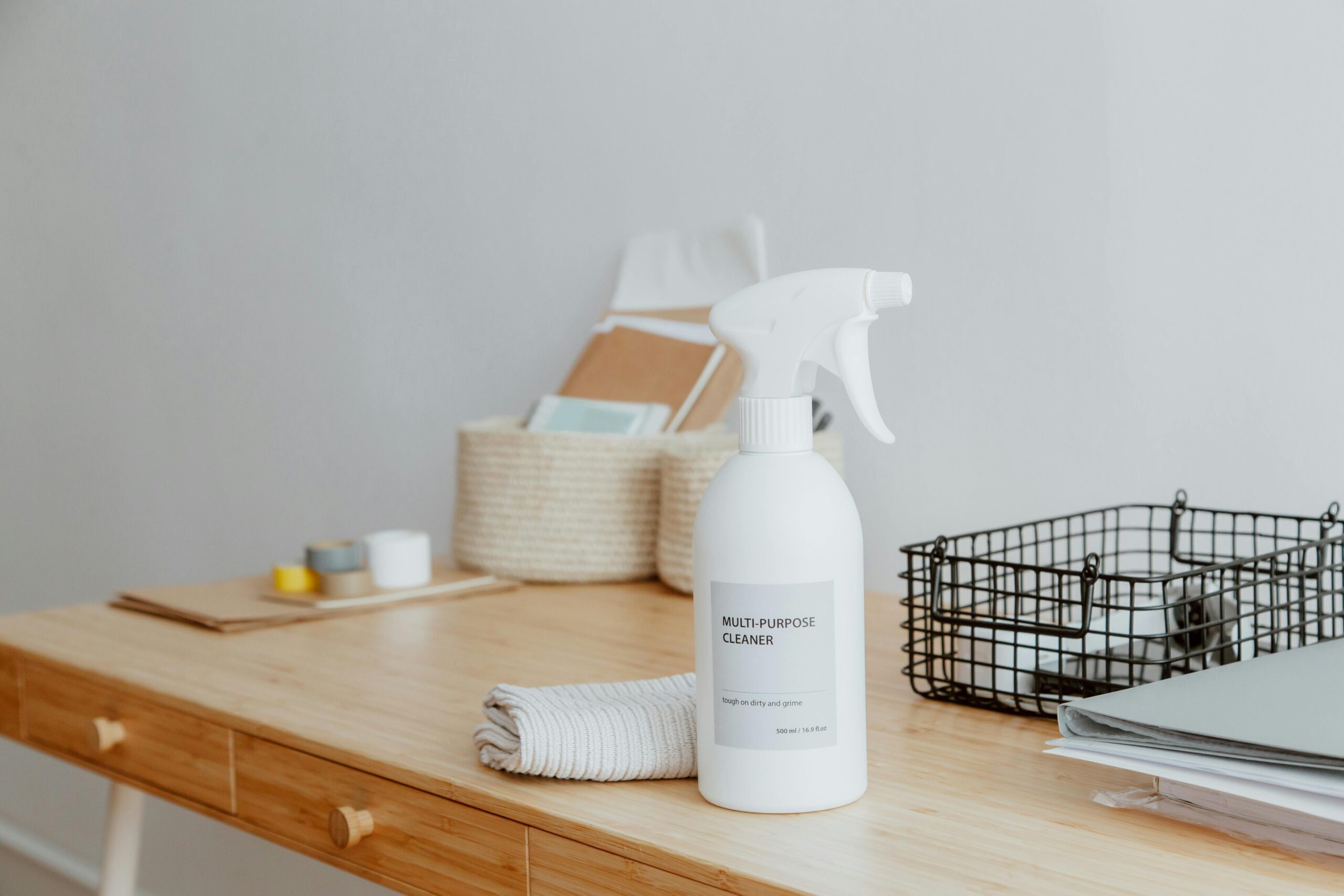

Safety of Natural Cleaners – Understand the Safety Benefits of Using Natural Cleaners like Salt

In today’s world, where health and environmental concerns are at the forefront of many people’s minds, the choice of cleaning products has become increasingly important. Traditional cleaning agents often contain harsh chemicals that can pose risks to both our health and the environment. This is where natural cleaners, such as salt, come into play. They offer a safe and effective alternative that can help you maintain a clean home without compromising your well-being.

One of the most significant benefits of using natural cleaners is their safety profile. Unlike commercial cleaners that can contain harmful substances, natural cleaners are derived from non-toxic ingredients, making them safer for your family, pets, and the planet. Salt, for instance, is a versatile natural cleaner that can be used for various cleaning tasks around the home. It can effectively eliminate stains, odors, and even pests without the need for harsh chemicals.

natural cleaners

Using salt as a natural cleaner has numerous applications. For instance, you can create a paste with salt and water to scrub away tough stains on surfaces. Additionally, salt can be used to deodorize your refrigerator or carpets, effectively neutralizing unpleasant odors. It’s also an excellent option for cleaning pots and pans, as it can help remove burnt-on food without scratching the surfaces.

Moreover, opting for natural cleaners like salt not only benefits your household but also the environment. Many traditional cleaning products contribute to air and water pollution when they are disposed of improperly. In contrast, natural cleaners break down more easily and are less likely to harm ecosystems. By choosing salt, you’re making a conscious decision to reduce your ecological footprint and promote a healthier planet.

In summary, the safety benefits of using natural cleaners, particularly salt, are clear. They are non-toxic, effective, and environmentally friendly. By integrating natural cleaning solutions into your routine, you can enjoy a clean home while also prioritizing your health and the health of our planet. It’s time to make the switch and embrace the power of natural cleaners for a safer and cleaner living space.

DIY Bathroom Cleaner with Salt

Keeping your bathroom clean can often feel like a never-ending battle. With soap scum, mildew, and hard water stains, it’s easy to feel overwhelmed. However, you don’t have to resort to harsh chemical cleaners to keep your space sparkling. One of the best DIY solutions is actually sitting in your kitchen cupboard: salt. In this post, we will explore how to create an effective bathroom cleaner using salt and other household ingredients.

Salt is not only a natural abrasive but also has antimicrobial properties, making it an ideal ingredient for cleaning. When combined with vinegar and baking soda, you can create a powerful cleaner that is safe for your family and the environment.

Ingredients You Will Need:

  • 1 cup of salt (table salt or sea salt)
  • 1 cup of white vinegar
  • 1 cup of baking soda
  • 1 tablespoon of liquid dish soap
  • Essential oils (optional, for fragrance)

Instructions:

  1. In a mixing bowl, combine the salt, white vinegar, and baking soda. Be prepared for some fizzing action as the vinegar reacts with the baking soda!
  2. Once the fizzing has settled, add the liquid dish soap to the mixture. If you like a fresh scent, add a few drops of your favorite essential oil.
  3. Transfer the mixture to a spray bottle for easy application. You may need a funnel to avoid spills.
  4. Shake the bottle gently to combine the ingredients before each use.

How to Use Your DIY Bathroom Cleaner:

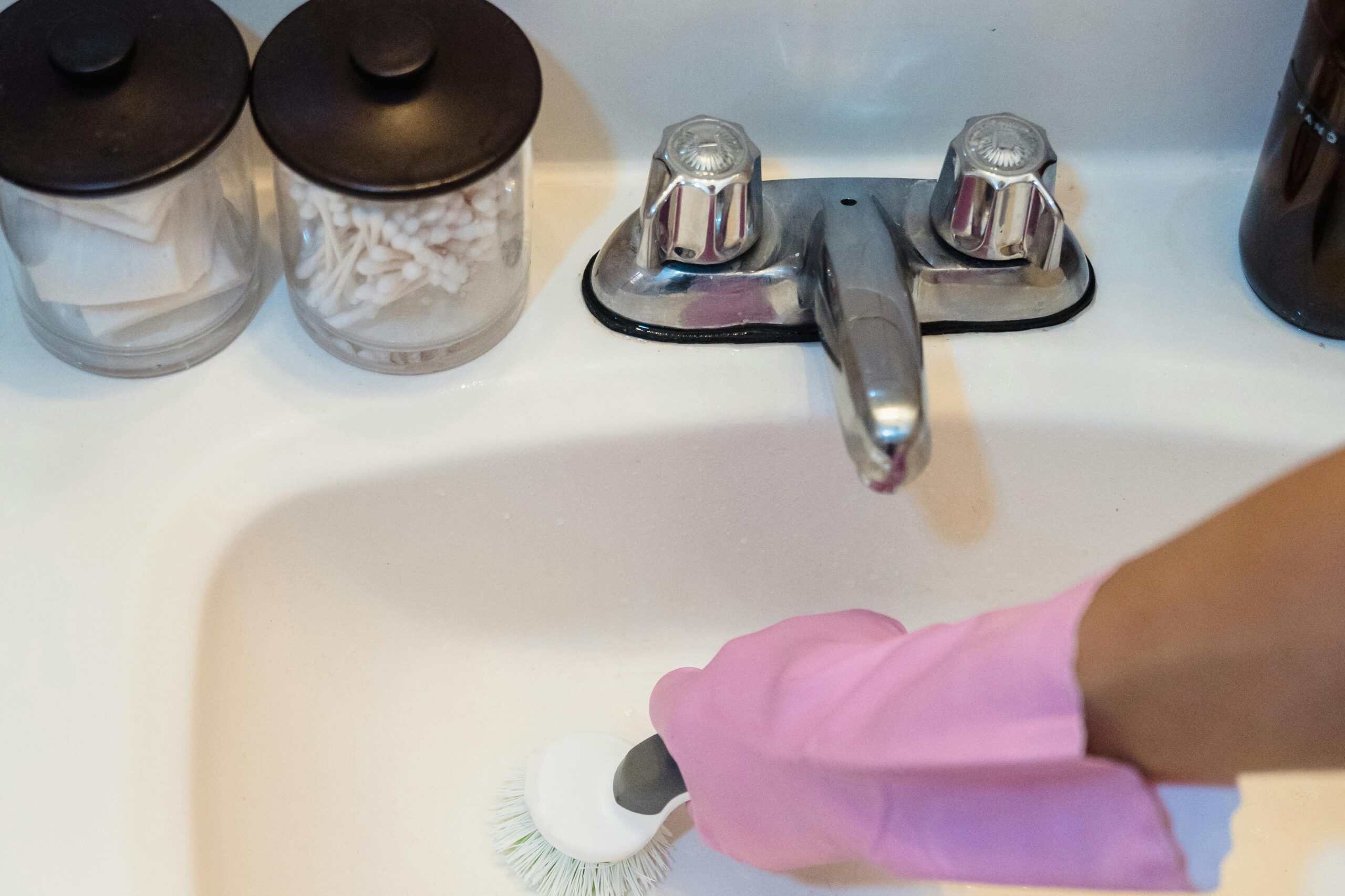
To use your homemade bathroom cleaner, simply spray it onto the surfaces you wish to clean, such as sinks, tubs, and toilets. Let it sit for about 10-15 minutes to allow the ingredients to penetrate tough stains and grime. After the waiting period, scrub the surfaces with a brush or sponge, then rinse thoroughly with warm water.

clean bathroom

Benefits of Using Salt for Cleaning:

  • Natural and Non-Toxic: Unlike commercial cleaners that can contain harmful chemicals, this DIY cleaner is safe for both your family and the environment.
  • Cost-Effective: Most of the ingredients are common household items that you likely already have on hand.
  • Effective: The combination of salt, vinegar, and baking soda creates a powerful cleaning solution that can tackle even the toughest stains.

Making your own bathroom cleaner with salt is not only easy but also rewarding. You can take pride in knowing exactly what goes into your cleaning products and enjoy a sparkling clean bathroom without the worry of harsh chemicals. Give it a try, and your bathroom will thank you!

Benefits of Using Salt for Cleaning

When it comes to cleaning, many people often reach for commercial products that are loaded with chemicals and artificial fragrances. However, there’s a simple, natural alternative that has been used for centuries: salt. This kitchen staple is not only essential for seasoning your food but also boasts remarkable cleaning capabilities. In this post, we will explore the various benefits of using salt in your cleaning routine.

One of the most significant advantages of salt is its versatility. Salt can be used to clean a variety of surfaces, from kitchen countertops to bathroom tiles. It can effectively remove stains, scrub away grime, and even unclog drains. For instance, mixing salt with vinegar or lemon juice creates a powerful paste that can tackle tough stains and odors.

Salt is also an excellent abrasive cleaner. Its coarse texture makes it ideal for scrubbing pots and pans without scratching their surfaces. Simply sprinkle salt on the stained area, add a bit of water to create a paste, and scrub away. You’ll be amazed at how easily your cookware will shine!

Another benefit of using salt is that it is non-toxic and environmentally friendly. Unlike many chemical cleaners that can harm the environment and your health, salt is safe to use around children and pets. It’s a sustainable option that doesn’t contribute to pollution or leave behind harmful residues.

Additionally, salt can act as a natural deodorizer. It absorbs odors effectively, making it a great choice for freshening up your home. You can place a small bowl of salt in your refrigerator to eliminate unpleasant smells or sprinkle it on carpets before vacuuming to neutralize odors.

In summary, incorporating salt into your cleaning routine can provide numerous benefits. From its versatility and effectiveness to its safety and eco-friendliness, salt is a powerful ally in maintaining a clean and healthy home. So, the next time you’re looking for a cleaning solution, consider reaching for that box of salt sitting in your pantry!

cleaning supplies

Salt vs. Chemical Cleaners: A Comparative Analysis

When it comes to household cleaning, there are countless options available on the market, from traditional chemical cleaners to natural alternatives like salt. People often ponder which method is more effective, and whether the eco-friendliness of one outweighs the cleaning power of the other. In this post, we’ll dive into the effectiveness of salt compared to traditional chemical cleaners.

Salt, a natural mineral, has been used for centuries in various cleaning applications. It is known for its abrasive qualities and ability to dissolve grime and dirt. When mixed with water, salt can create a scrubbing solution that is effective for removing stains on surfaces like countertops and cookware. Additionally, salt possesses antibacterial properties, which can help in sanitizing surfaces, making it a great option for kitchens and bathrooms.

cleaning solutions

On the other hand, chemical cleaners, which often contain strong solvents and other synthetic ingredients, promise powerful and quick cleaning solutions. These cleaners are designed to tackle tough stains, grease, and mildew that might be resistant to natural alternatives. They can often penetrate deeper into materials, providing a level of cleanliness that salt may not achieve alone.

However, the use of chemical cleaners comes with its own set of concerns. Many of these products can be harmful to both the environment and human health due to the volatile organic compounds (VOCs) they release. They can cause respiratory issues, skin irritations, and other health problems if not used carefully. Moreover, the production and disposal of these chemicals contribute to pollution and environmental degradation.

In contrast, salt is not only safe to use, but it is also biodegradable and inexpensive. For those looking to maintain a greener home, salt can be an excellent alternative to harsh chemicals. While it may not always match the immediate effectiveness of chemical cleaners, it offers a gentler yet effective cleaning solution for everyday messes.

In conclusion, the choice between salt and chemical cleaners ultimately depends on the type of cleaning task at hand. For light cleaning and maintenance, salt can be an effective, safe, and environmentally friendly option. However, for heavy-duty cleaning jobs, traditional chemical cleaners may still hold the upper hand due to their powerful formulation. It’s essential to weigh the pros and cons of each method and decide what aligns best with your cleaning philosophy.

Contacts

+333220441812

-

[email protected]

20, Rue Gayet, Collonges-au-Mont-d'Or, Lyon, Métropole de Lyon, FR-69M, Rhône, Auvergne-Rhône-Alpes, FR-ARA, Metropolitan France, 69660, France, fr

Our Team

Olivia Jones

Olivia Jones

Project Manager
Sophia Thomas

Sophia Thomas

Business Development Director
Charlotte Martin

Charlotte Martin

Quality Manager